What’s On/Finance
UAE e-invoicing for small businesses and freelancers: are you in?
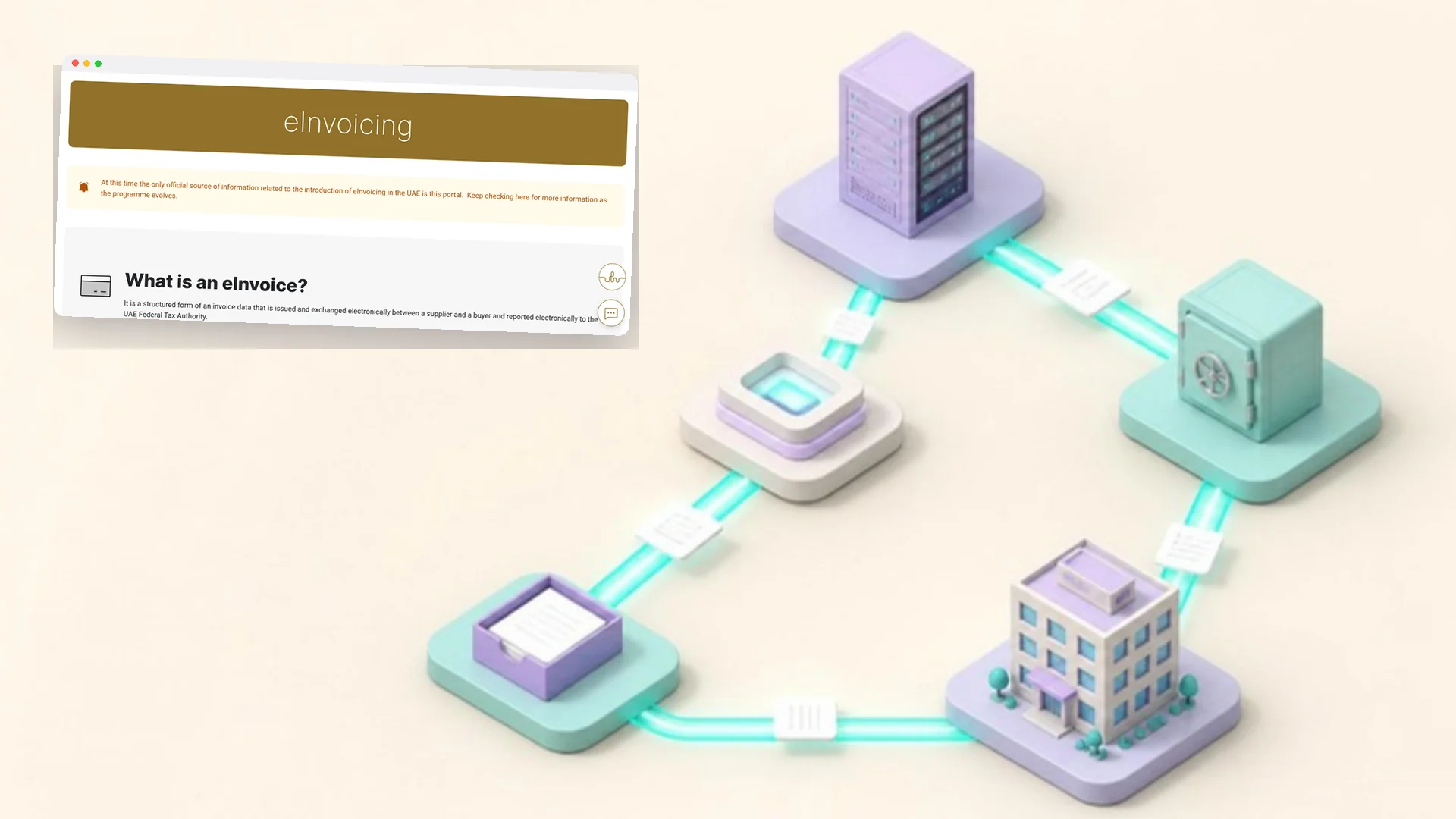
If you sell to other businesses in the UAE, almost certainly yes. E-invoicing ignores VAT registration and has no revenue floor. Here is who is covered, who is not, and when it starts for smaller firms.
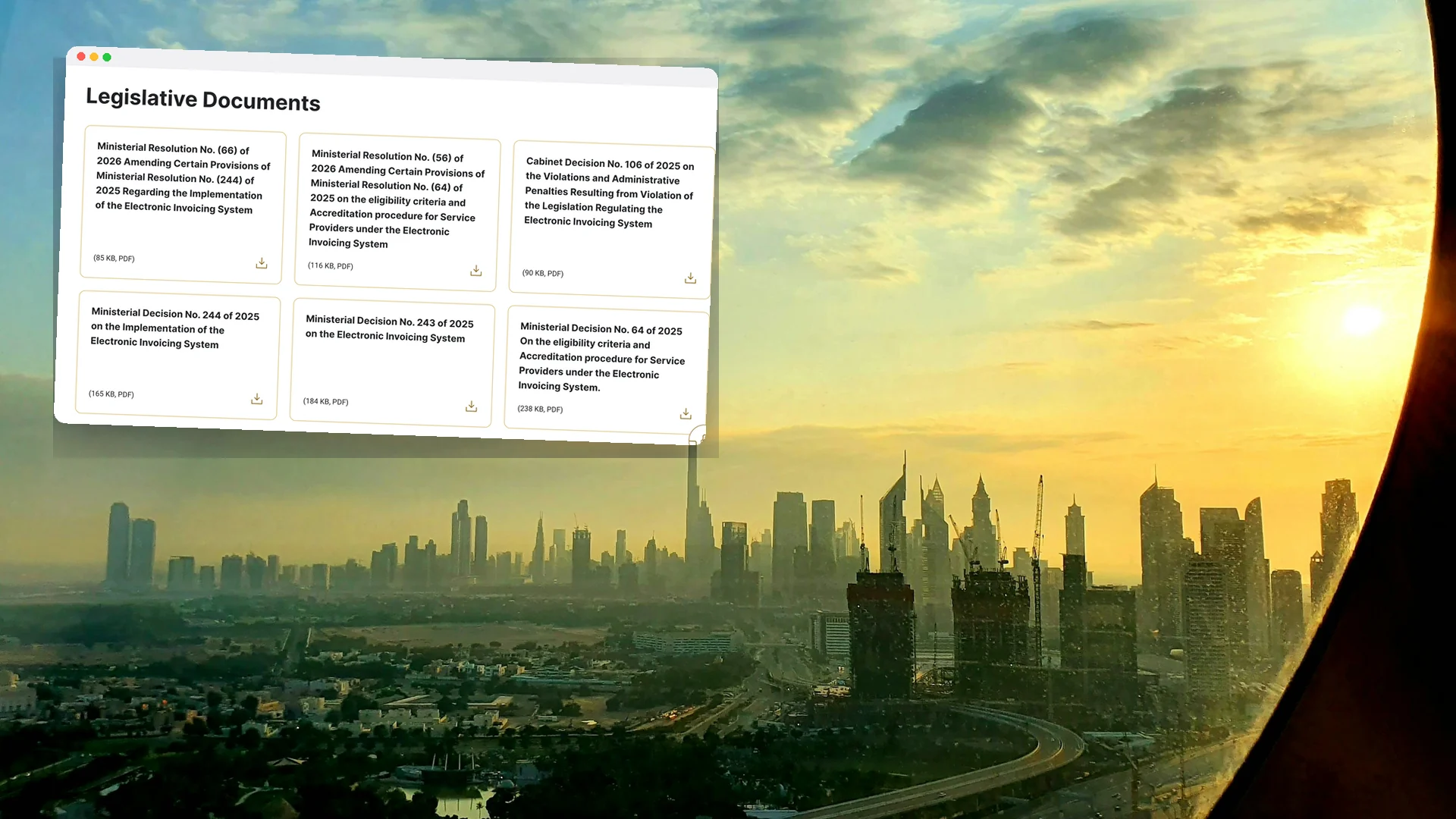
Two myths keep circulating: that e-invoicing is only for large companies, and that it only affects VAT-registered ones. Both are wrong. Ministerial Decision 243 of 2025 covers any person conducting business in the UAE for every business transaction, and the Ministry of Finance's guidelines say VAT registration status makes no difference.
The definitions
A person can be an individual as well as a company. Business is any activity carried on regularly, on an ongoing and independent basis, and the definition names professional and service activities. Nothing excludes freelancers or sole establishments. They are not mentioned by name either, but read plainly, a freelancer who bills businesses is covered.
Not registered for VAT?
Then your invoices become commercial e-invoices, with 49 required fields rather than 51. You are identified by a Tax Identification Number instead of a TRN, and if you hold no tax registration at all, you will need to register with the FTA to receive one.
No revenue floor
The AED 50 million figure only sets the timetable. Smaller businesses, which is most of them, appoint an accredited service provider by 31 March 2027 and go live by 1 July 2027. In June 2026 the Ministry called its latest timetable change final, with no further extensions.
Who is excluded
- Consumer sales. Business-to-consumer transactions, and businesses that only sell to consumers, are out until the Minister decides otherwise.
- Government entities acting in a sovereign capacity and not competing with the private sector.
- International passenger flights with an e-ticket, and airline extras issued with an electronic miscellaneous document.
- International air cargo with an air waybill, for 24 months.
- Exempt financial services, and those zero-rated as exports. Standard-rated financial services remain in.
The Minister can also name excluded persons in a separate decision, though none had been published when we checked. Businesses that are not yet required can join voluntarily, without exposure to the penalties.
In practice
- Without VAT registration, each e-invoice is due within 14 days of the transaction. VAT-registered businesses follow the VAT invoice timeline.
- One provider handles invoices in and out, and every provider has to include 100 free e-invoices a year, which may be all a small business needs.
- Each missed e-invoice costs AED 100, up to AED 5,000 a month, and not implementing the system costs AED 5,000 a month.
- If you sell to both businesses and consumers, only the business invoices are in scope.
Current rules apply until July 2027, and clean customer records are the best preparation. If you are a small business wondering what this means for you, ALXO is glad to help you work it out.