What’s On/Ads
Meta's Creator Marketing Hub: what Gulf brands can use today
Meta has folded Creator Marketplace and the Partnership Ads Hub into one place for finding creators, briefing them and running their posts as ads. Here is what it offers, what is still on its way, and what to agree with a creator first.
Until this year, a brand working with creators on Meta needed two separate tools: Creator Marketplace to find and contact creators, and the Partnership Ads Hub to turn their posts into ads. At Cannes in June 2026, Meta said the two would become a single Creator Marketing Hub. The combined tool was presented during IAB's first Global Creator Week in mid-September, with features rolling out through the rest of 2026.
This summary rests on what Meta has published and what the trade press reported from the launch. Meta's own launch post was not available when we checked, so the September details come from Social Media Today, MediaPost and Marketing Dive.
How partnership ads work
Partnership ads, which Meta used to call branded content ads, run under a creator's handle rather than the brand's, and carry a Paid partnership label. The viewer sees a post from someone they may already follow, with the brand named beside it. Meta says adding partnership ads to a brand's usual campaigns brings, on average, a 19 per cent lower cost per acquisition and a 13 per cent higher click-through rate. As with any platform's figures about its own product, read that as a reason to test rather than a forecast.
Permission runs through an ad code. The creator generates a code for a post and sends it to the brand, which uses it to run the post as an ad. Since December 2025 this has also worked for user-generated content in which the brand is not tagged, which opens up posts from customers and fans, with their permission.
What the Hub brings together
- Discovery. Meta said at Cannes that more than 5 million Instagram creators could already be found, with Facebook creators being added. The Hub can also surface content from creators a brand has not worked with yet, filtered by the products tagged in it.
- Recommendations tied to the campaign objective, and new search filters, including one for content predicted to work for affiliate marketing.
- Permissions for a single piece of content, each with an expiry date, so the right to run a post as an ad ends when the agreement does.
- Editing, including taking copyrighted music and stickers out of a creator's post before it runs as an ad.
- Messaging with creators inside the Hub, with Meta's AI business assistant built in.
- One-click creation of a partnership ad from a creator's post, with performance from paid campaigns shown next to the organic results.
For businesses that work through software, Meta added Facebook creators to its Creator Marketplace API, which had been Instagram only, launched a messaging API and expanded its content discovery API. Partnership ads can also be created and managed through Meta's ads connector for AI agents.
Instagram Live as a partnership ad
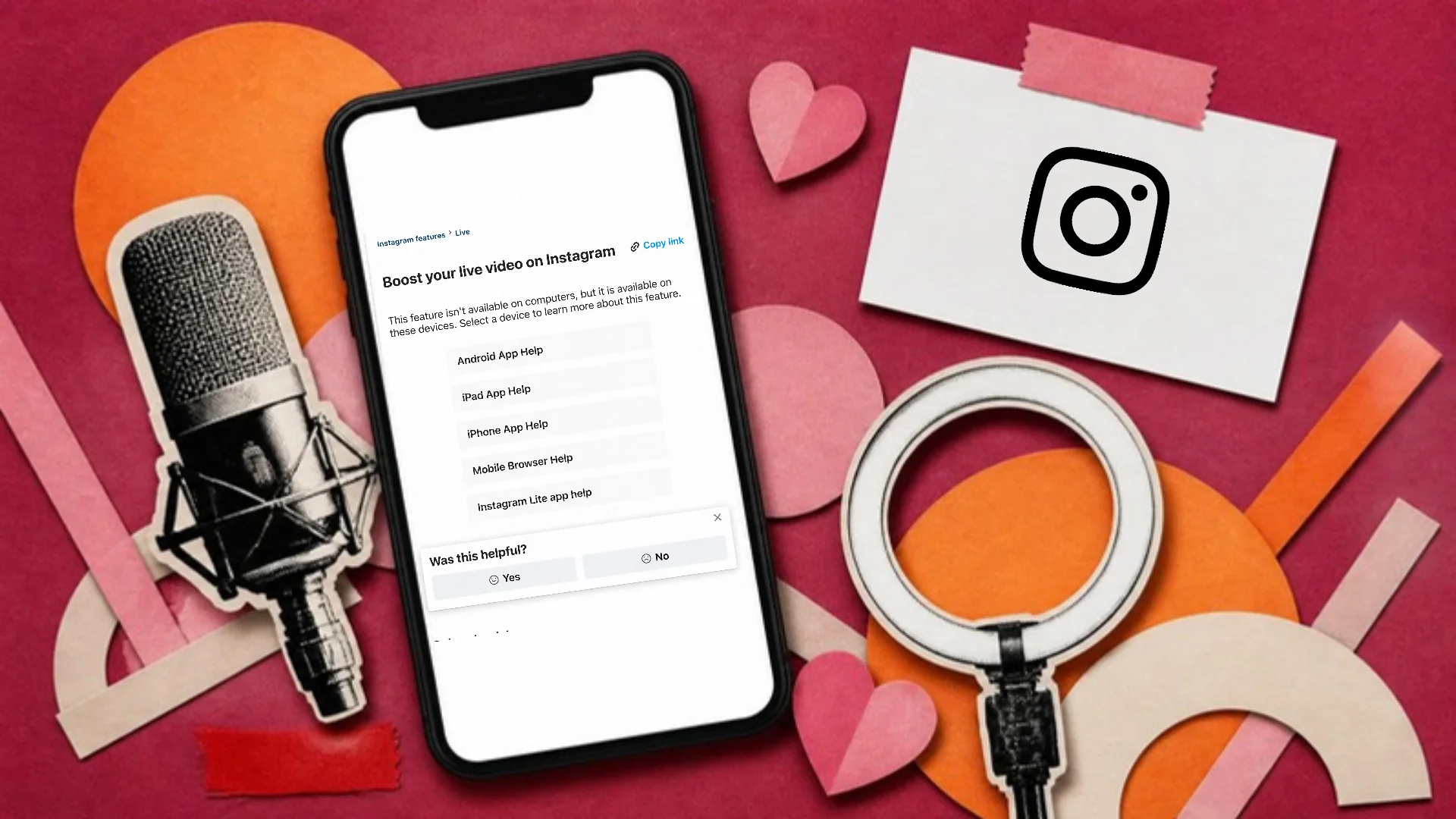
Meta has been bringing ads into live video. In June 2026 it announced live video ads for Instagram and a wider rollout on Facebook, and from 29 September 2026 a creator's live content on Instagram can run as a partnership ad. Meta's own material is still thin on how the format looks and how it is set up, so try it on a small budget before building a campaign around it.
Can it be used from the Gulf?
For brands, it looks that way. Creator Marketplace launched in 19 countries, and in January 2026 Meta opened brand access beyond them, without naming the new countries. Features in the Hub are still rolling out, so not every account will see everything at once.
For creators, it is less certain. The creator markets Meta has documented are in North America, Europe, Latin America and Asia, and none is in the Gulf. Whether creators in the UAE or Saudi Arabia can be listed and found in the Hub had not been confirmed when we checked. For now, a Gulf brand may get more out of the Hub by running partnership ads with creators it already works with than by using it to find local talent.
Settle these before a creator's post becomes an ad
- How long the post may run as an ad, matched to the permission's expiry date in the Hub, with room to extend.
- The fee for paid usage, charged on top of the fee for the post itself.
- What the brand may edit, given that the Hub can remove music and stickers, and who approves the final version.
- Disclosure: the paid partnership setting on the organic post and, in the UAE, the creator's advertiser permit.
- Music rights, if the post uses a track that is not cleared for commercial use.
The Hub makes the mechanics easier, but it does not replace the contract. A permission that runs out halfway through a campaign, or a creator who never agreed to paid usage, is a problem no tool can solve. Before booking anyone, look at their followers for signs that some were bought, and settle a fair base rate before adding the paid usage fee on top.
Planning creator work for your brand? If you would like the partnership ads, permissions and paperwork set up properly from the outset, we would be glad to talk it through at ALXO.