What’s On/Social
Reposting on Instagram in 2026: why brand accounts lose reach
Since the end of April 2026, Instagram has stopped recommending accounts whose feeds are mostly other people's photos and carousels. For brands that lean on customer and creator reposts, the grid needs a rethink.
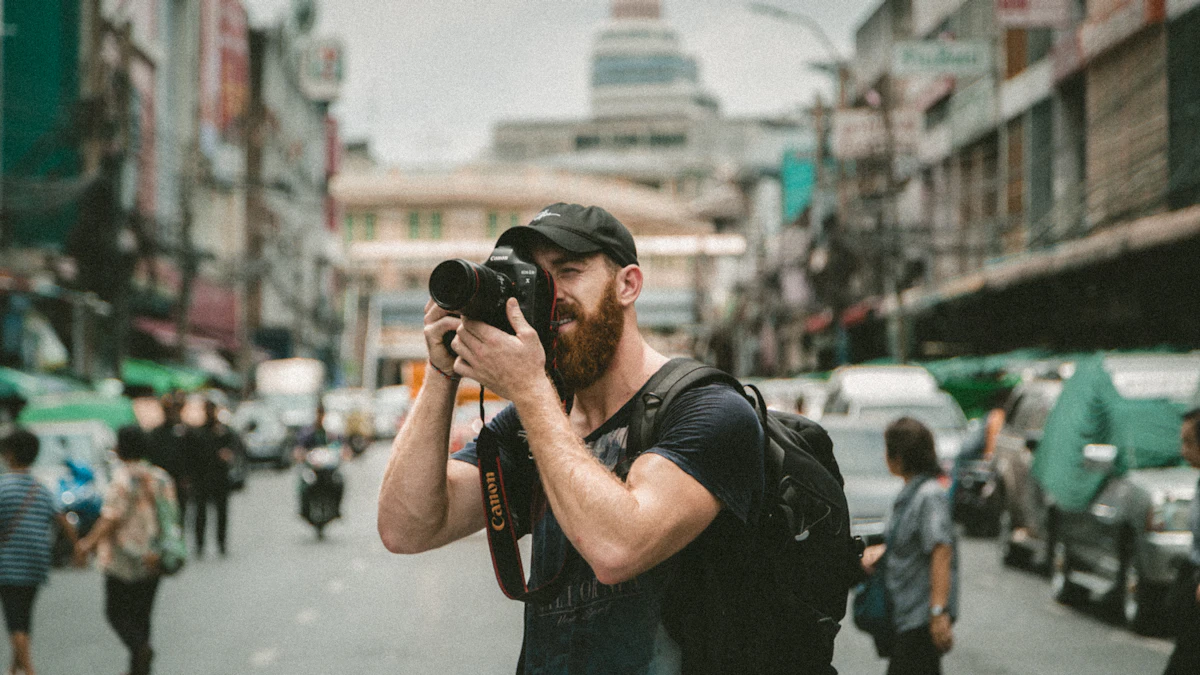
Instagram changed the rules for reposted content on 30 April 2026. An account that mostly publishes other people's photos or carousels, without changing them in any meaningful way, is no longer recommended to people who do not already follow it. Existing followers still see its posts. What disappears is the reach into new audiences, and for most accounts that is where growth comes from.
On its creators blog, Instagram presented this as an extension of protections it has applied to Reels since 2024. It also said that 75 percent of recommendations in the United States now come from original posts.
Instagram's definition of original
Original means a photo or video you took yourself, something you designed, or content you have materially edited. A material edit has to add real value, rather than simply presenting someone else's work again. Meme templates and popular clips can still count, provided what you add genuinely changes them.
Instagram lists some changes that do not count: a border, a watermark, subtitles, or a credit in the caption. According to press coverage of the update, speeding up a video or posting a screenshot that shows the original account's name does not count either.
Getting back into recommendations
There is no appeal form. Recovery happens automatically, on a rolling basis: once most of what an account has posted in the previous 30 days is original, it becomes eligible for recommendations again. The Account Status page in settings shows whether an account's content can currently be recommended.
You may have seen the claim that ten reposts in thirty days triggers the penalty. That figure comes from Instagram's 2024 rule for Reels, which applied to accounts that reposted without material changes ten or more times in thirty days. The 2026 rule for photos and carousels works differently: it asks whether most of an account's recent posts are original.
The alternatives Instagram offers
- Collabs: the brand and the creator co-author a single post that appears on both profiles.
- The paid partnership label, for sponsored posts the brand helped to create.
- Remix, which places your own contribution next to the original.
- Sharing to your Story, or the repost button Instagram introduced in August 2025. A repost credits the original poster and may be shown to the reposter's followers.
Social Media Today's explainer reported that some publishers with licensing agreements, or with explicit permission from creators, are unaffected. That is a specific exemption for identified publishers. It does not mean that permission turns any repost into original content.
Where this leaves Gulf brand accounts
A lot of brand accounts in the region run on a blend of their own content and reposts from customers, creators and partners, usually with permission and a credit in the caption. Under the 2026 rules, neither the permission nor the credit makes a repost original. If reposts make up most of a brand's recent posts, the account may drop out of recommendations altogether.
Six changes worth making
- Audit the last 30 days of your account and work out what share of posts are original.
- Where possible, turn reposts into Collabs so the creator co-authors the post.
- Publish sponsored creator content as paid partnership posts, with the label.
- Move straightforward sharing to Stories and the repost button, and keep the grid mostly original.
- When you do reuse creator content, change it properly: new footage, a new angle, a genuine contribution, not a border and a logo.
- Keep written permission for every piece of creator content you use, because responsibility for permission stays with the account that posts it.
The reasoning behind the change
Instagram frames it as fairness to creators. When the same content appears on several accounts, it wants the original to be the one recommended. Since 2024, where identical content exists, only the original has been recommended, and copies can carry a label pointing back to the original creator. The 2026 update carries that principle over from Reels to the photos and carousels that brand accounts depend on most.
Before and after you rebalance the grid, track how recent posts perform, so you can see whether reach to non-followers comes back as the share of original content rises.
If your feed relies heavily on shared content and you want a plan for producing more of your own, ALXO's content and photography teams would be glad to help you think it through.