What’s On/Influencer
Before you pay a creator: how to tell if their audience is real
Followers are the cheapest number in influencer marketing to buy. How an audience behaves is far harder to fake, and most of it is visible before you sign.
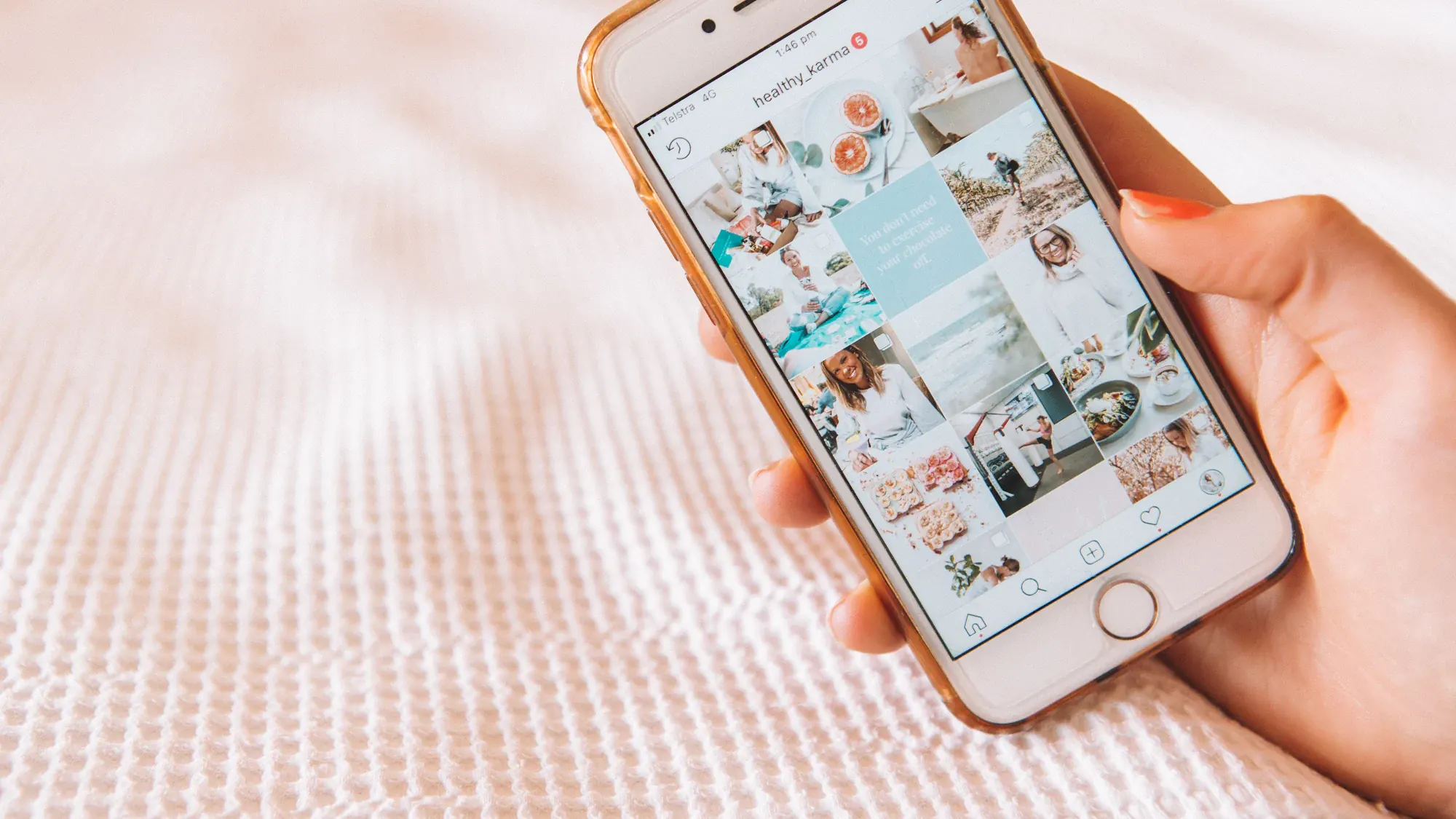
Most brands that have booked creators can name one who looked ideal on paper. The follower count suited the budget, the feed suited the brand, and the campaign went out to near silence. Nobody made an obvious mistake. The decision simply rested on the one number that is cheapest to inflate.
Inflated audiences are common, and they are not always the creator's doing. Bots follow accounts that never paid for them, real followers drift away, and growth tactics that seemed harmless at the time leave traces that never quite fade. So the purpose of checking is not to catch anybody out. It is to know what you are paying for before the invoice arrives.
What you can and cannot see from outside
Tools that give a single fake-follower percentage get there by sampling the follower list itself, thousands of accounts per profile, and judging each one. That is costly to do, and the result is still an estimate built on an estimate.
From the outside, anyone can see the profile and its recent posts, and that is enough to answer a more useful question: does this audience behave like a real one? Real people react, comment, watch and vary from post to post. Bought audiences leave patterns in the public numbers, and spotting them needs no access to the creator's account.
Six signs to look for
Each of these is something an inflated audience tends to leave behind. None of them proves anything on its own.
- Engagement for their size. Compare the engagement rate with what accounts of a similar size usually achieve on that platform. Smaller accounts naturally earn higher rates than larger ones, so judge by tier rather than against one number for everyone.
- Comments next to likes. Likes are cheap to buy in bulk; comments are not. Thousands of likes per post with hardly any comments deserves a closer look. So does the reverse: a comment rate so high it looks more like an engagement group than an audience.
- Following against followers. A sizeable account that follows more people than follow it back usually grew through follow-for-follow, which is an exchange, not an audience.
- Posts against followers. A very large following built on a handful of posts is unusual. Audiences of real size are seldom earned on very little content.
- Variation between posts. Genuine reactions rise and fall. When every recent post collects almost exactly the same number, that evenness is a pattern bought packages leave behind. Watch for the opposite too: one viral post can lift an average that ordinary posts never come close to.
- Views against followers. Where a platform shows view counts, as TikTok and YouTube do, check how much of the audience a typical post actually reaches. Followers who never watch are not people your brand can reach.
Read the signs together
A single flag is a question, not a verdict. A small account having a quiet week will trip the engagement check honestly. A creator who has recently moved into a new niche may have an odd follow ratio for reasons that have nothing to do with buying followers. A comment rate can jump because one post asked the audience a question.
What counts is agreement between the signs. One flag deserves a note before you move on. Several pointing the same way justify a conversation before anyone signs. If most of them agree, treat the follower count as unproven, and adjust the fee or walk away.
Followers show what a creator has collected. How the audience behaves shows whether any of it will turn up when your post goes live.
What to request from the creator
Public signs help you build a shortlist. Before you book, ask the creator for their own insights, as screenshots taken that week, covering reach, audience location and age breakdown. Ask to see a recent post that performed normally, not their best one.
Audience location matters more in the Gulf than almost anywhere. A restaurant opening in Dubai needs followers who can come and eat there. A creator whose large audience sits mostly outside the country could be excellent value for a regional brand and poor value for a local one, and no public number will reveal which. Only the creator's own insights will.
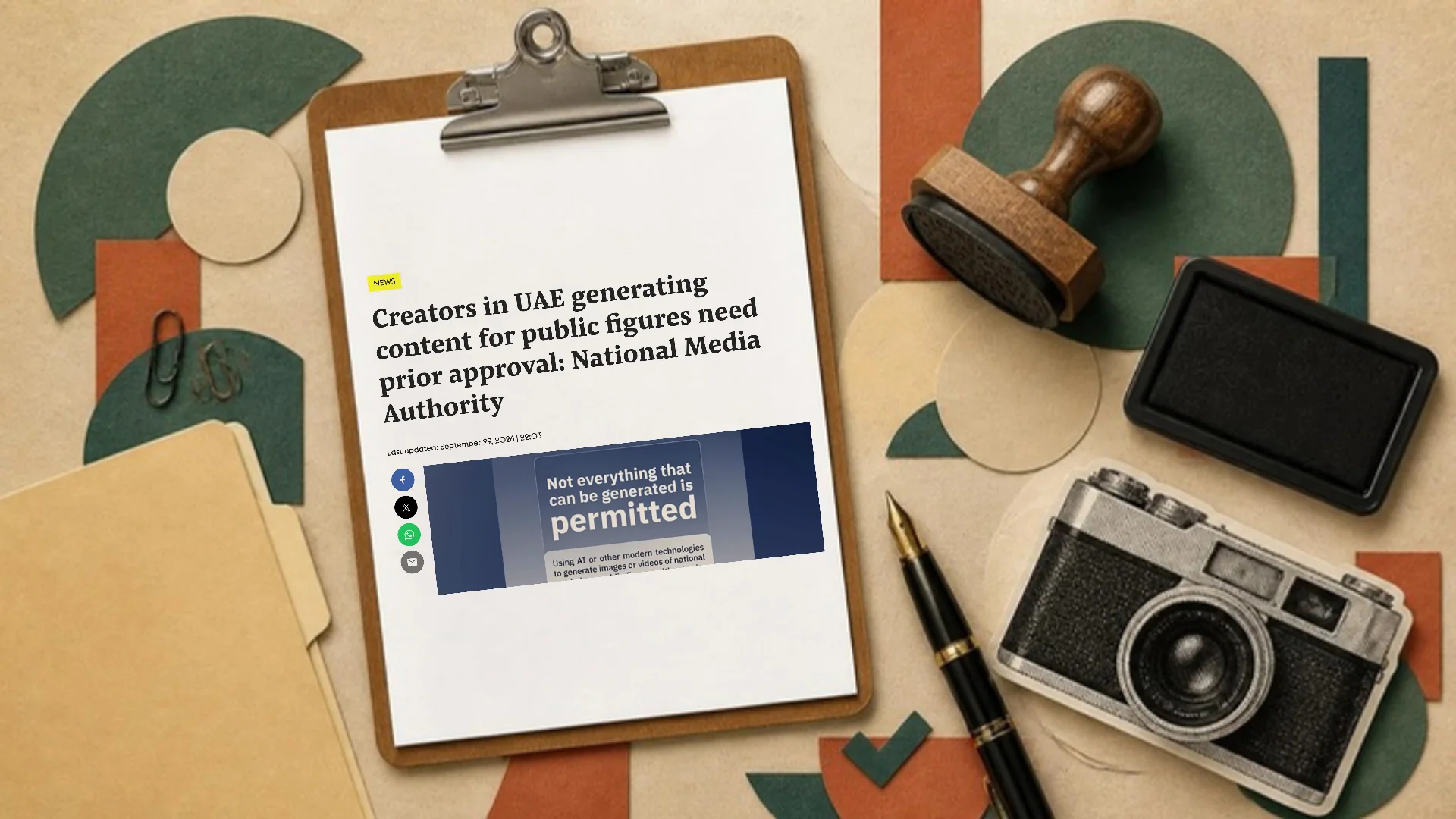
Check the creator's permit in the same step. The UAE and Saudi Arabia both require creators who advertise to hold a permit or licence. It is a different question from audience quality, but it belongs in the same round of checks.
Put the shortlist side by side
One creator judged alone is hard to assess. Two or three compared directly are much easier. The one with fewer followers and healthier engagement often reaches more real people than the one with the bigger headline figure, and seeing them next to each other makes that plain, even to a colleague inclined to pick the bigger number.
The comparison helps with price as well. If two creators quote similar fees and one audience clearly behaves better, you have grounds for a negotiation, or a clear reason for your choice that needs no lecture on engagement rates.
Keep a record of your checks
Note on each creator's file when you checked, what was flagged and what the creator sent back. Audiences change: a creator who looked clean last year may not be now, and the reverse happens too. A dated note means the next campaign starts from evidence rather than memory.
It also protects you. If a campaign underdelivers, someone will ask whether anybody looked. Being able to show the checks, the insights you requested and why you still went ahead is the difference between an unlucky result and a careless one.
Planning a creator campaign and want a second opinion on the shortlist before you commit? Talk to ALXO, and we can go through the numbers and the questions worth asking.