What’s On/Search
Every Google search update of 2026, and what your site should do
Six confirmed ranking updates, new spam rules on the back button and on gaming AI answers, and the end of FAQ rich results. Here is the dated record for 2026, and the SEO claims Google has already dismissed.
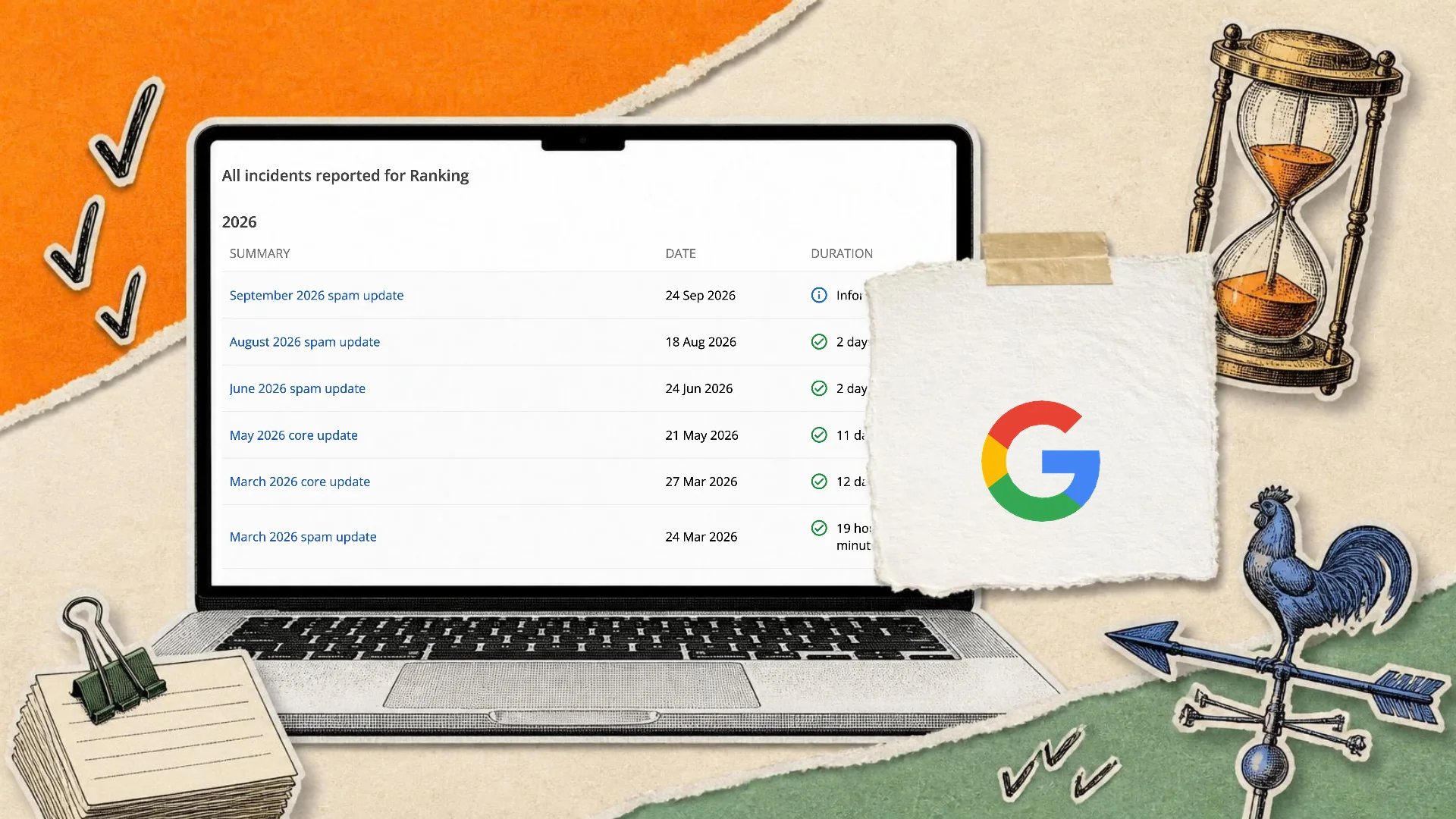
When traffic to a website drops, the first question is usually whether Google changed something. The only official answer is Google's Search Status Dashboard, which so far lists six ranking updates for 2026, only one of which Google explained in a blog post. Google also changed its spam policies, retired FAQ rich results and published its first guide to appearing in AI search. Here is the record, with dates, to check against your own numbers.
The six updates, in order
- February 2026 Discover core update, 5 to 27 February. This was the first core update Google has applied to Discover on its own, starting with US English users. Google said the aim was more locally relevant content from sites in the user's country, less clickbait and sensationalism, and more in-depth, original and timely content from sites with expertise.
- March 2026 spam update, 24 to 25 March, global.
- March 2026 core update, 27 March to 8 April.
- May 2026 core update, 21 May to 2 June.
- June 2026 spam update, 24 to 26 June, global.
- August 2026 spam update, 18 to 21 August, global, with no new policy attached.
Google adds that smaller core updates roll out all the time without announcement, and that recovering from a core update can take months.
Spam and review rules that changed
- Back button hijacking became a spam policy in April 2026 and has been enforced since 15 June. It covers sites that interfere with the browser's back button, and the site owner is held responsible even if the code comes from an ad network or other third-party script.
- Attempts to manipulate generative AI responses in Search have counted as spam under Google's definition since May 2026.
- Site reputation abuse: since 30 August, manual actions under this policy no longer apply in the European Economic Area, following a European Commission investigation. Everywhere else, the Gulf included, enforcement continues as before.
- In July 2026 Google added a guideline against fake or undisclosed incentivised reviews in review snippets.
- AI-generated content: nothing new. Using AI mainly to manipulate rankings still breaks the spam policies, and Google still says E-E-A-T is not a specific ranking factor.
What changed in results and Search Console
FAQ rich results stopped showing in Search on 7 May 2026, and Google removed the documentation in June. The markup is still valid; it simply no longer produces expanding questions in results.
Search Console gained three things. Generative AI performance reports, open to every site since 31 August, show impressions in AI Overviews, AI Mode and Discover's AI features. Since July, a feature available worldwide shows how a brand's Instagram, TikTok, X and YouTube posts perform in Google Search, Discover and News. And a new setting lets a site opt out of AI features while staying in ordinary results.
Google's view of AI search: it is still SEO
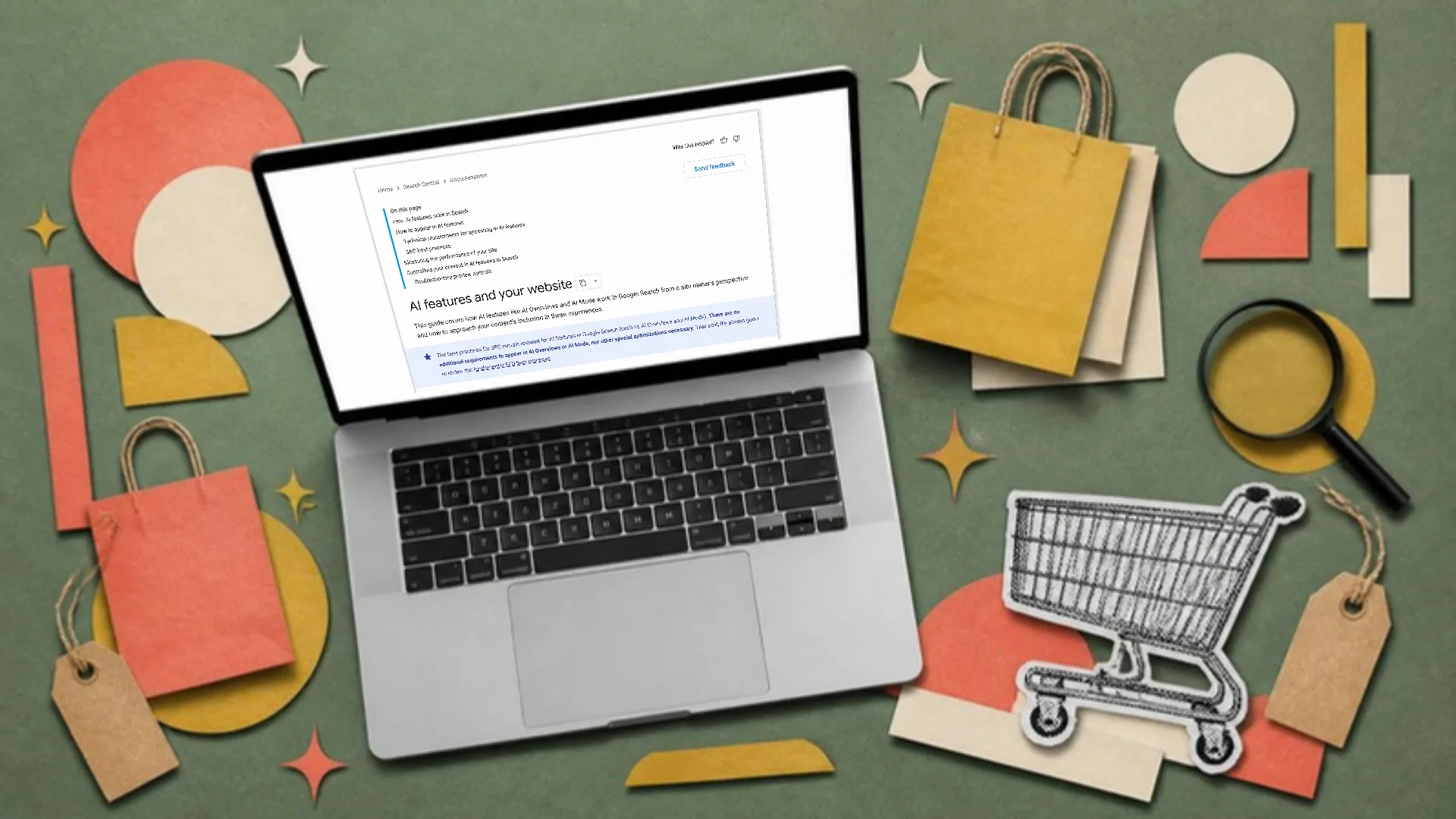
Google's May 2026 guide to appearing in its generative AI features makes one point above all: optimising for AI search is ordinary SEO. In practice that means:
- To appear in AI Overviews or AI Mode, a page has to be indexed and eligible for a normal snippet.
- Distinctive content built on first-hand experience, with good images and video, performs best.
- Churning out many versions of a page for every phrasing of a query is scaled content abuse.
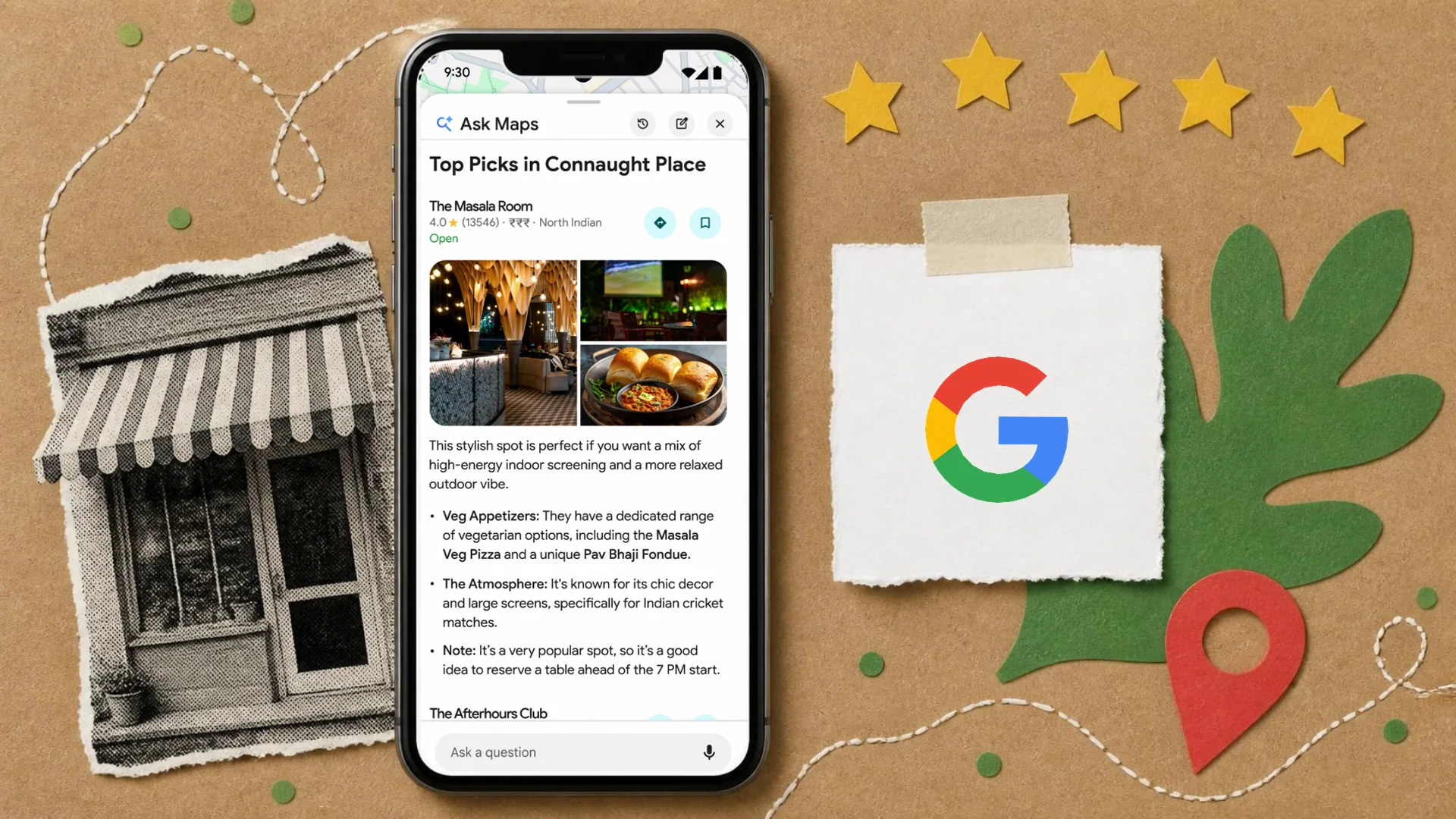
- Businesses selling products or serving a local area should keep Merchant Center feeds and Business Profiles up to date.
Claims Google has knocked down
- llms.txt: Google does not use it for visibility or ranking. It does no harm, and it does nothing in Google.
- Special schema, or chopping content into small chunks for AI: unnecessary.
- Manufactured brand mentions around the web: of little value.
- Opting out of AI features harms rankings: Google says the setting is not a ranking signal.
- A June 2026 update to the quality rater guidelines: the current version is dated September 2025.
- AI Mode becoming Google's default: Google has denied it.
Some SEO analysts said early in 2026 that self-promotional best-of lists had lost visibility. Google has not confirmed this.
What a business should do now
- Mark each confirmed update against your own traffic, and let an update finish rolling out before drawing conclusions.
- Check your site, and any scripts your ad networks load, for anything that tampers with the back button.
- Drop FAQ sections that only existed for rich results; keep them if customers genuinely use them.
- Be sceptical of anyone selling AI search optimisation as something separate from SEO.
If a recent update has moved your traffic and you want a calm read on what happened, ALXO's web team is happy to look at it with you.