What’s On/Ads
Snapchat's new shopping ads: what Gulf online stores should test
Snap's September update put catalogue ads into the Chat inbox and added new ways to optimise for purchases. Some of it is live in the Gulf now, and some is still in testing.
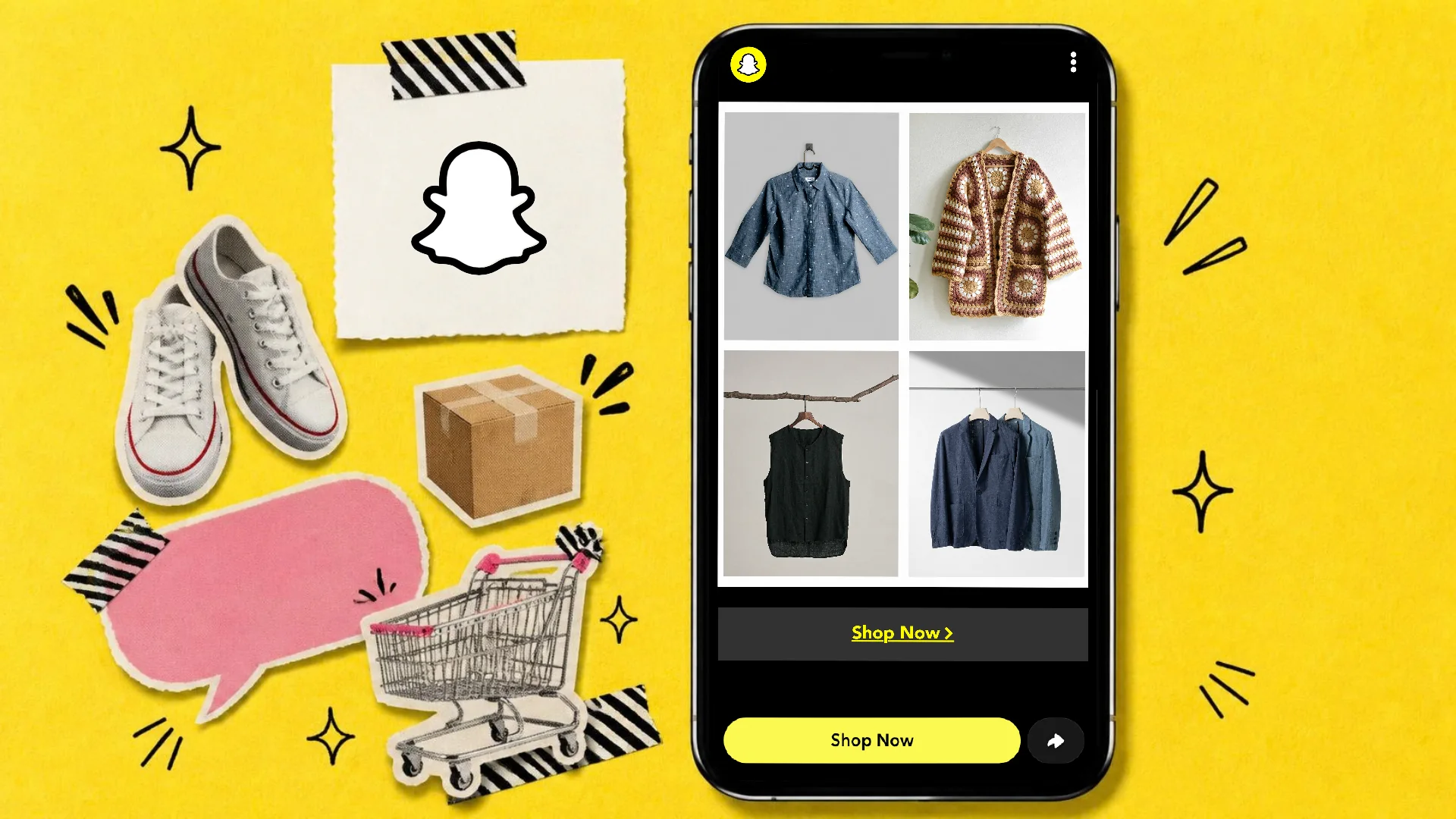
Snap has been steering its ad business towards performance for years, and in 2026 it stopped being subtle about it. Small and medium advertisers accounted for more than 30 percent of its global ad revenue in the first quarter, and revenue from dynamic product ads rose 43 percent in the second. On 10 September Snap launched the Commerce Power Pack, the largest bundle of shopping tools it has released, timed for the holiday season.
For an online store in the UAE or Saudi Arabia, some of this is ready now and some is still in testing.
Catalogue ads inside Chat
The main change moves dynamic product ads, the catalogue ads that show each person the items they are most likely to want, into Sponsored Snaps, which are delivered to Snapchat's Chat inbox. AI recommendations decide which products appear. Snap says the feature is live for advertisers worldwide, and that includes the UAE and Saudi Arabia.
The supporting numbers are Snap's own. It says a controlled study in July 2026 found these campaigns, optimised for purchases, improved seven-day cost per acquisition by 22 percent. It also cites a 2024 study it commissioned: 85 percent of Snapchatters use Chat regularly.
Three new ways to optimise, all still in testing
- Value Optimization (beta, web and app) aims for return on ad spend and higher-value purchases, rather than purchase count.
- Third-Party Web Optimization (open beta, web) blends Snap's own signals with outside measurement. Snap says advertisers measuring with Google Analytics saw a 23 percent lower cost per purchase and a 37 percent higher return on ad spend, as measured by that third party, and that Northbeam users saw a 37 percent lower cost per purchase and a 64 percent higher return.
- Omnichannel Optimization (alpha) captures purchases made on the web and in an app within one campaign.
Snap has not named markets for these three, so ask your Snap contact whether your account qualifies.
AI in the inbox and in Ads Manager
- AI Sponsored Snaps, announced in April, place a brand's own AI agent in Chat, so someone who opens the ad can talk to the brand. The feature is in alpha, and Experian is the first partner Snap has named.
- Snap Smart Assistant, launched globally in June, helps build campaigns and checks their health inside Ads Manager.
- New creative tools in Ads Manager upscale images, turn an image into video and improve backgrounds.
- A Snap Ads MCP server, live since 3 August, lets AI assistants such as Claude, ChatGPT and Gemini read Snap ad accounts. For now it is read-only and needs an administrator to approve it.
- Snap says close to 70 percent of its ad spend already runs through at least one of its automation tools for audiences, budgets or placements.
Measurement for apps and lead generation
- Unified Attribution, live globally since 31 August, brings data from mobile measurement partners into Snap's optimisation, beginning with AppsFlyer and Adjust. Snap says one beta advertiser reduced cost per acquisition by 26 percent against campaigns optimised through Apple's SKAdNetwork.
- A HubSpot integration, available since July, passes Snap lead form entries into HubSpot and sends events back to Snap through its Conversions API. Snap reports that click-through on its lead ads rose 77 percent year on year and cost per lead fell 26 percent.
Why it matters in the Gulf
A large part of Saudi Arabia spends its day on Snapchat, and Snap again cited a community of 26 million in the Kingdom in 2026. For online retailers, product ads in Chat are the change to act on first: they are available now, and they run on the same catalogue as the dynamic product ads you may already use. Before switching them on, check two things.
- Your catalogue. Product names, prices and images need to be correct, in Arabic and English if you sell in both, because AI is now choosing which products appear in a very personal part of the app.
- Your pixel and Conversions API. Optimising for purchases, value or return on ad spend depends on dependable purchase data, with order value included.
Note that Sponsored Snaps do not allow offer-based ads, or ads in the housing, employment and credit categories.
A sensible first test
- Run product ads in Chat next to your current dynamic product ads, using the same catalogue, and compare cost per purchase over at least two weeks.
- If you measure in Google Analytics, ask to join Third-Party Web Optimization and set Snap's figures against your own.
- If you sell through an app, connect AppsFlyer or Adjust to Unified Attribution before the next campaign.
- Keep a person reviewing what the AI selects, particularly in regulated categories.
- Tag every Snapchat link with consistent UTM parameters, so your own analytics can check what Snap reports.
Running an online store in the Gulf and planning a Snapchat test? ALXO would be happy to talk through the catalogue, the measurement and the plan.