What’s On/Influencer
Hiring a creator in the UAE? Check the advertiser permit
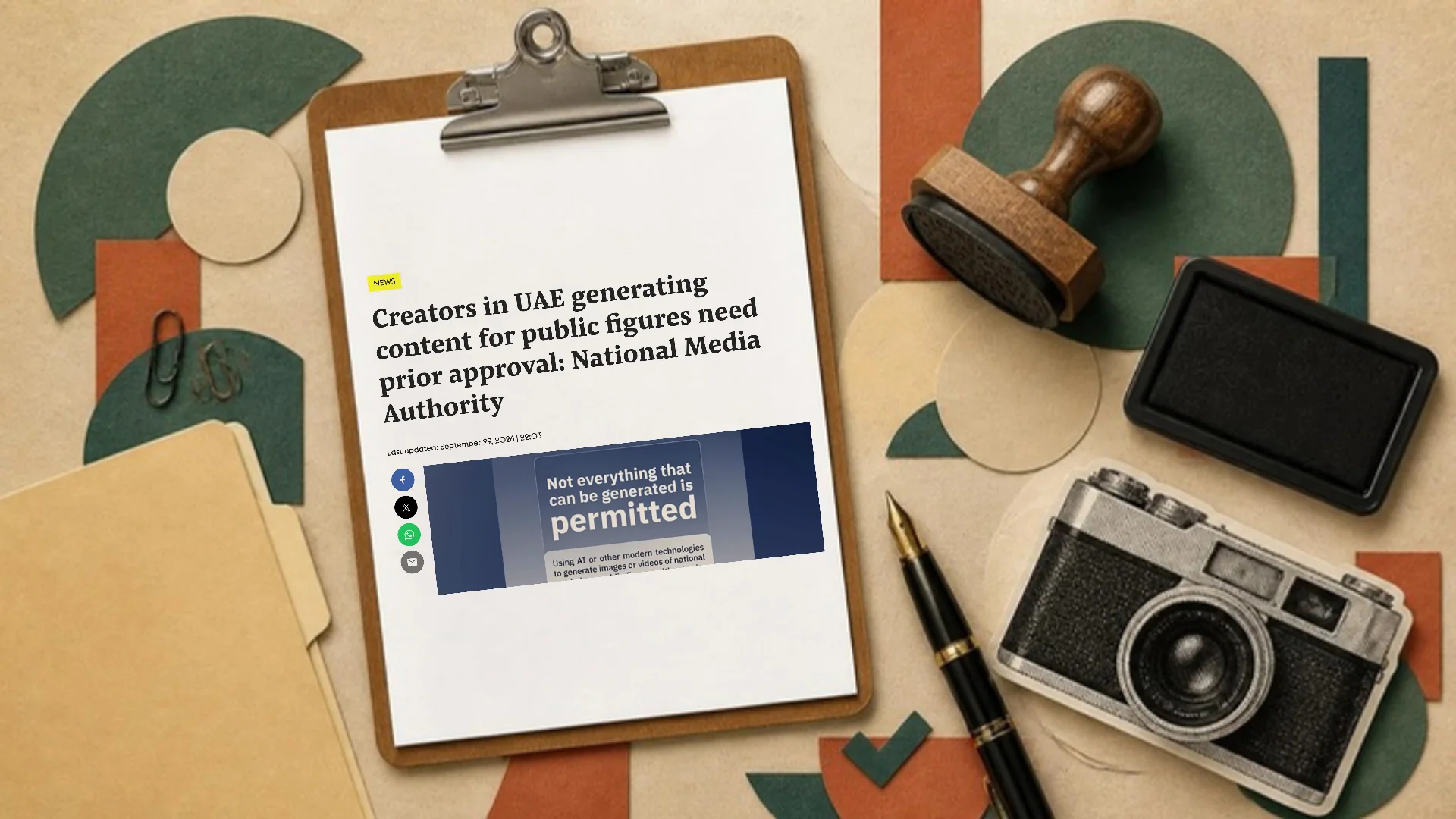
Since February 2026, creators who advertise on social media in the UAE have needed a permit. For a brand working with creators, confirming it is now as basic as agreeing the fee.
Brands used to ask two questions before signing a creator: is the audience genuine, and is the fee sensible? A third question now comes before both. Is this person legally allowed to publish advertising in the UAE? If the answer is no, the campaign exposes the brand, and any agency involved, to penalties, however good the content is.
Below is what to check and when. It is a practical summary, not legal advice, and the rules are still settling, so confirm the current requirements with the regulator before relying on any detail.
Which authority issues it
The UAE Media Council introduced the advertiser permit in 2025. In December 2025 a federal law created the National Media Authority, which took over the functions of the UAE Media Council, the National Media Office and the Emirates News Agency. The permit is now issued through the National Media Authority's services. Contracts, articles and agency paperwork still use both names, and they refer to the same permit.
A grace period ran until the end of January 2026, and the permit has been required since 1 February 2026.
Who needs a permit
The permit covers individuals who publish advertising content on social media, websites or other digital platforms, whether or not they are paid for it. The unpaid part is the one brands tend to overlook. A creator who receives free products, a hotel stay or a dinner in return for a post is advertising, and needs the permit just as much as a creator paid in cash.
Some activity is exempt, such as promoting your own business on your own accounts. A creator hired by a brand, directly or through an agency, to post about that brand does not fall into that category.
For residents, the regulator's service page sets out the conditions: good conduct, content that follows the national media content standards, and completion of the authority's training programme on the relevant laws. The application asks for identity documents and a commercial licence. The permit is free for its first three years, then listed at AED 1,000.
Visiting creators need their own permit
Creators in the UAE on a visit visa need a visitor advertiser permit, and they cannot apply for it themselves. A licensed advertising agency in the UAE makes the application, with supporting documents. The regulator lists the permit as valid for three months, extendable to a maximum of six months in total, with a fee of AED 500 and a stated processing time of three working days.
This is the permit that most often trips up a campaign. A creator flown in from London or Riyadh for a Dubai launch needs it in place before posting, which in practice means before travelling. Build the lead time into your plan, and agree early which licensed agency will handle the application.
A routine for every booking
Make the permit check a fixed step whenever you bring a creator on board, not something that happens only when somebody asks. A routine that works:
- Ask for the creator's permit before the agreement is signed, and keep a copy with their details.
- Note the expiry date, and check it covers the whole campaign, including any content that goes live late.
- For a visiting creator, confirm the visitor permit is in place and that its dates cover both their stay and the posting window.
- If the content is also aimed at Saudi Arabia, check the creator's Mawthooq licence as well. One country's permit does not cover the other.
- If you have doubts about whether a permit is valid, use the National Media Authority's current verification route rather than trusting a screenshot.
A permit does not clear the post
Holding a permit does not make every post acceptable. Advertising content must follow the national media content standards, which include respecting religious and national values, not misleading people and protecting children. Some categories, such as medicines, financial products, real estate, alcohol and tobacco, carry their own restrictions and may need separate approval.
Paid content must also be recognisable as advertising. Use the platform's paid partnership tool where there is one, and a clear label such as "Ad" at the start of the caption or on screen, on every piece of paid content, stories and gifted posts included.
A permit tells you the creator may advertise. It tells you nothing about whether a particular post may run.
Put it in the agreement
The check protects you at the start; the contract protects you for the rest of the campaign. The creator agreement should state that the creator holds the permit required wherever the content is published, will keep it valid for the term, will label paid content clearly and will follow the applicable content standards. It should also say what happens if the permit lapses mid-campaign.
Keep a record of each check: the permit, the date you saw it, the approved content and the disclosure used. If a post is ever questioned, that record is how you show you did your part. Fees, conditions and exemptions can change, so treat the regulator's own pages as the final word, and keep permit details and expiry dates wherever you hold creator information, so the check becomes part of booking rather than an extra step.
If you are planning a creator campaign in the UAE and want the permits, labels and contracts in order before anything goes live, the ALXO team is happy to talk it through with you.