What’s On/PR
When a post goes wrong: a social media crisis plan for Gulf brands
Most crises begin with a comment nobody escalated and a reply written in a rush. The brands that come through well agreed the rules before they needed them.
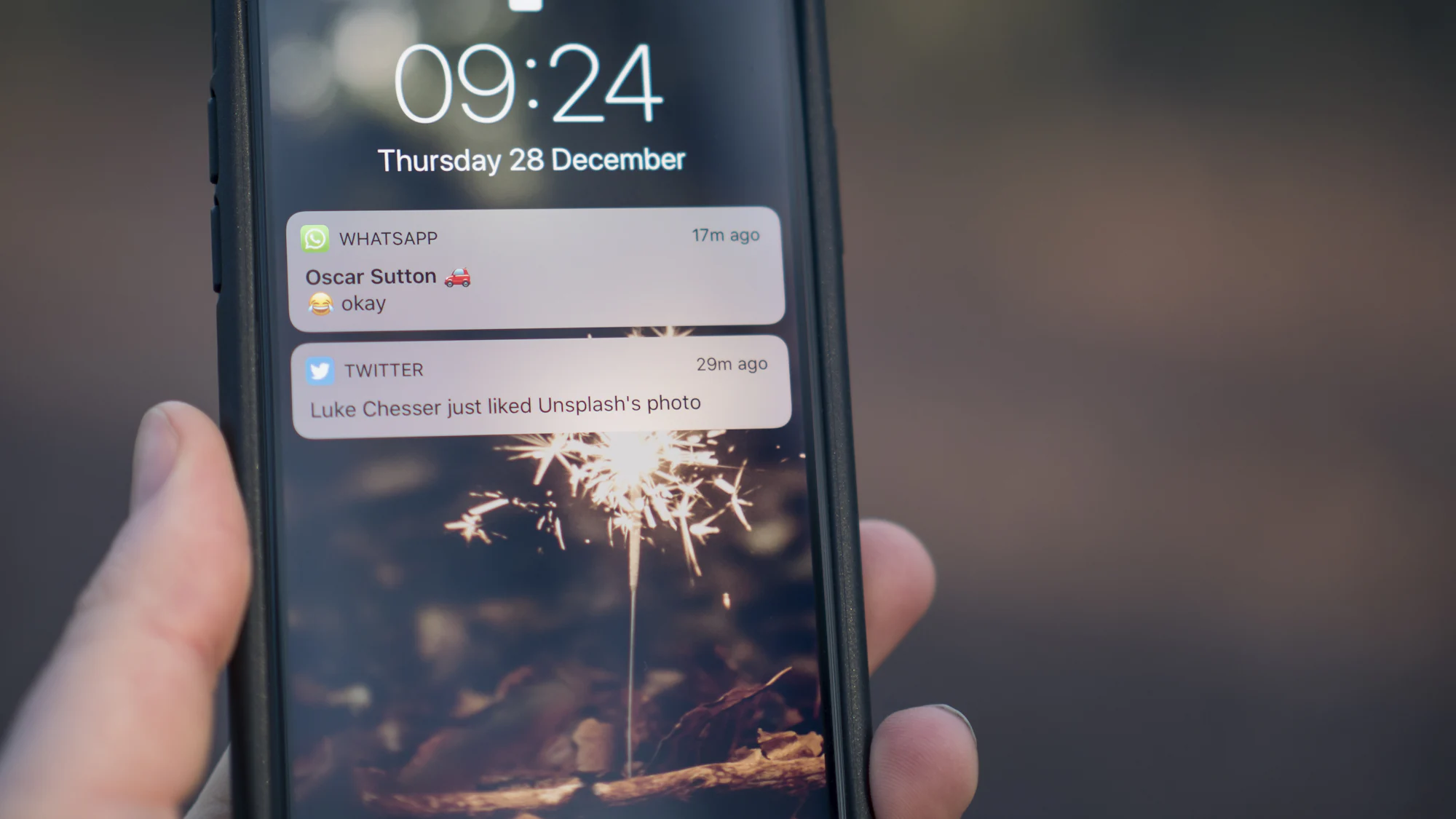
Sooner or later, most brands that are active on social media have a morning when something has gone wrong in public. It might be a faulty product, a post that was read the wrong way, a video filmed by a member of staff, or a complaint that has travelled far beyond the person who made it. The first hour shapes much of what follows, and whoever watches your comments, whether an in-house team or an agency, is usually the first to notice.
What follows is a practical outline, not legal advice. If an issue could involve a regulator, a named person or a legal claim, bring in your legal team early.
Agree what a crisis is before you have one
Most negative comments are not a crisis, and treating each one as a crisis creates problems of its own. Set out in advance when an issue moves from the community manager to the account lead, and from the account lead to you or your senior team. These triggers suit most brands:
- Any complaint about safety, health or a product fault, however few people raise it.
- Anything that touches religion, national symbols, the country's leadership, politics or a named public figure.
- A post or comment from the brand that is drawing criticism or being widely shared.
- Questions from journalists, or any mention of legal action or a regulator.
- A sudden cluster of similar complaints, even when each one looks minor.
Put the triggers in writing, with the escalation contacts next to them, out of hours numbers included. A plan that exists only in one person's head fails on the day that person is on leave.
The first hour: pause, gather, hold
The urge is to reply straight away. The better first step is to stop anything that could make matters worse. Pause every scheduled post on every platform, since an upbeat promotion appearing an hour into a crisis looks careless at best, and ask any creators with content waiting to go live to hold it too.
Next, get the facts straight: what happened, who is affected, what the brand actually knows and what is still rumour. Screenshot the original posts and comments, with the time, before anyone deletes anything. Whatever the outcome, you will need that record.
Hold back from deleting critical comments. Unless a comment breaks the platform's rules or contains personal details, removing it tends to become a second story, and someone has usually screenshotted it first.
Write your holding statements now
A holding statement buys time without committing you to anything that might later prove wrong. It recognises the issue, says the brand is looking into it and tells people when they will hear more. It does not guess at causes, point at anyone or promise outcomes the brand cannot yet guarantee.
Prepare two or three in advance and approve them, so that on the day the only thing to add is the specific detail. For a product complaint, one might read:
We know some customers have raised concerns about this product, and we are looking into it now. We will post an update here by this evening. If you have been affected, please message us directly so we can help.
Write it in Arabic and English at the same time, and have both versions checked by a fluent native speaker. A statement that reads well in one language and clumsily in the other can undo the good it was meant to do.
A short, agreed sign-off chain
In a crisis, speed and approval pull in opposite directions. The way to keep both is to shorten the approval chain beforehand, not to bypass it on the day. Decide who can sign off a holding statement alone, and who has to approve anything beyond it, usually a senior communications lead and legal.
- If an agency runs your channels, the agency drafts and you approve. Nothing is posted on the agency's judgement alone.
- One named approver for holding statements, plus a deputy.
- Legal review for anything that admits fault, names a person or responds to a regulator.
- One person does the posting, so two versions never go out at once.
Respecting culture and the rules
Audiences in the Gulf expect brands to respect religious and national values. In the UAE, advertising content has to follow the national media content standards, which include not insulting individuals or groups and not spreading false or misleading information, and Saudi Arabia's content rules cover similar ground. A reply written in a rush can breach the spirit of those standards even when the original issue did not.
In practice that means no humour until the matter is closed, no religious phrases used as decoration, no speculation about anyone's motives, and no repeating an unverified claim, even to deny it. If a named individual is involved, your legal team should see the wording before it goes out. Getting this wrong can carry legal consequences as well as reputational ones, which is why the sign-off chain matters.
Coming back online
Scheduled posts return when you decide they should, not when the comments die down. Check every queued post before it goes back out, because a line that was harmless last week may land differently now. Apply the same care during a period of national mourning, or a regional event that has nothing to do with your brand: pause promotional content, review it and resume carefully.
It helps to keep every channel's scheduled posts on one calendar, so pausing the whole queue is a known step rather than a hunt across several tools. Deciding when to speak, and what to say, still belongs to the people who know the brand best.
Once the issue is resolved, post the update you promised, even a short one. Then write a one-page account: what happened, what was done, what worked and what the plan should change. That page is how a bad week turns into a better plan.
If your brand does not yet have escalation triggers, approved holding statements or a clear sign-off chain, a quiet week is the right time to write them. ALXO would be happy to work through them with you.